📌 Key Points
- Hyderabad screens demand multiplex cash! Your wallet next?
- Broken seats, foul toilets: Still demand premium rates? Public fumes!
- Shocking Twist: Big players own screens, pocketing YOUR extra cash!
- No upgrades! This system pushes Telugu audiences straight to OTT.
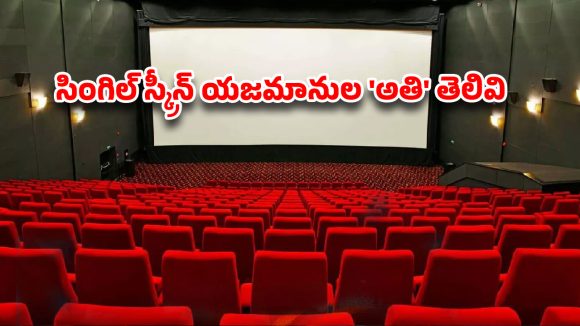
Hyderabad’s single-screen cinemas are facing a wave of audience outrage. These theatres are now demanding a share of box office collections akin to multiplexes, despite their notoriously poor facilities and lower operational costs. As these new rules loom, moviegoers are questioning the fairness of paying more for a sub-par experience.
Single Screens Demand Multiplex Share
New Rules for Single Screens: Will Audiences’ Pockets Be Hit? Twenty-three single-screen theaters in Hyderabad are demanding a share of collections akin to multiplexes. Despite their lower operational costs, this demand for multiplex-level earnings is drawing significant criticism, particularly concerning the lack of proper facilities. Let’s delve into audience reactions to this development.
The struggling theater system, severely impacted as audiences grew accustomed to OTT platforms, is now actively exploring new ways to sustain itself. As part of this effort, 23 prominent single-screen theaters in Hyderabad, including Eswar, Gokul, Sriramulu, Arjun, and Bhramaramba, are transitioning to a multiplex-style percentage system for collections. They have signed new agreements with distributors, where theaters will claim 60% of the first week’s collections, 50% in the second week, and 40% in the third week. Previously, theater owners received a fixed rent irrespective of a film’s success. Under this new arrangement, if a film is a hit, theater owners will pocket more earnings than the distributors, and they will also retain the gross of a house-full show under the ‘hold-over’ clause.
While the eagerness to keep single screens afloat is commendable, a pertinent question arises from the common audience. Theater owners cite “prime locations and soaring maintenance costs” as reasons for the change, but the audience asks: “You’re spending, but where are the facilities?” In multiplexes, cleanliness and amenities justify a percentage-based system. The real question is whether these single screens will maintain the same level of neatness as multiplexes. Barring a few exceptions in Hyderabad, the deplorable state of maintenance in most single screens is well-known. One often has to hold their nose to use the restrooms, many seats are broken, and the air conditioning is merely for namesake, with only the theater staff knowing when it’s actually on or off. Netizens are already lambasting these theaters, expressing anger and questioning how they can demand multiplex-level percentages while offering such appalling service.



Higher Prices, Same Poor Facilities?
The real twist here is that currently, over half of the single screens in the Telugu states are under the control (on lease) of major producers and distributors. This means that, in many cases, the exhibitor and distributor are one and the same. The profits generated from this percentage agreement will primarily go into the pockets of these big players, making it a mystery how much the actual owners, who rely on these theaters, will truly receive.
If this system proves successful in Hyderabad, it is reportedly planned for implementation across the entire Nizam region and subsequently in Andhra Pradesh. If maintenance is so terrible even in a major city like Hyderabad, there’s no need to elaborate on how dreadful the situation will be in semi-urban and rural areas. This move doesn’t seem likely to draw people back to theaters. In fact, seeing the theaters’ approach of focusing solely on collections without improving facilities raises doubts about whether they are further pushing audiences towards OTT platforms. Regardless, the enthusiasm for increasing prices and extracting percentages, coupled with the lack of effort in providing basic facilities, is truly the misfortune of the Telugu cinema audience!
Overall, mixed opinions are being expressed regarding this decision taken by single-screen theater managements. Many believe that this move, which sees 23 single-screen theaters in Hyderabad shifting to a multiplex-style percentage system where theaters stand to gain more than distributors from a hit film, will not benefit the audience in any way. It remains to be seen how this system will fare in the coming days.
Looking Ahead
This gamble by Hyderabad’s single screens seeks profits, but with poor facilities, audience outrage is valid. Viewers demand value, not just new percentages. The crucial question remains: will this system genuinely uplift our cinema experience, or merely perpetuate the current discontent? Only time will tell.