Key Points
- Plan modelled on existing agricultural commodity stabilisation framework
- Separate buffer fund to cover petrol diesel and LPG
- Aims to shield consumers from sudden global price spikes
New Delhi, April 15. The Centre is reportedly considering a new fuel price stabilisation mechanism aimed at protecting consumers from sharp fluctuations in petrol, diesel and LPG prices amid rising global energy volatility.
The proposal, which is currently under discussion among key ministries, seeks to establish a dedicated buffer system that can be deployed during periods of extreme price swings, according to NDTV Profit report.
The move comes as geopolitical tensions in West Asia continue to disrupt global energy supply chains, pushing up crude oil prices and heightening inflation risks for import-dependent economies like India.
The report said that the proposed framework is likely to be modelled on the existing price stabilisation system used for agricultural commodities.



How the Fuel Buffer System Would Work
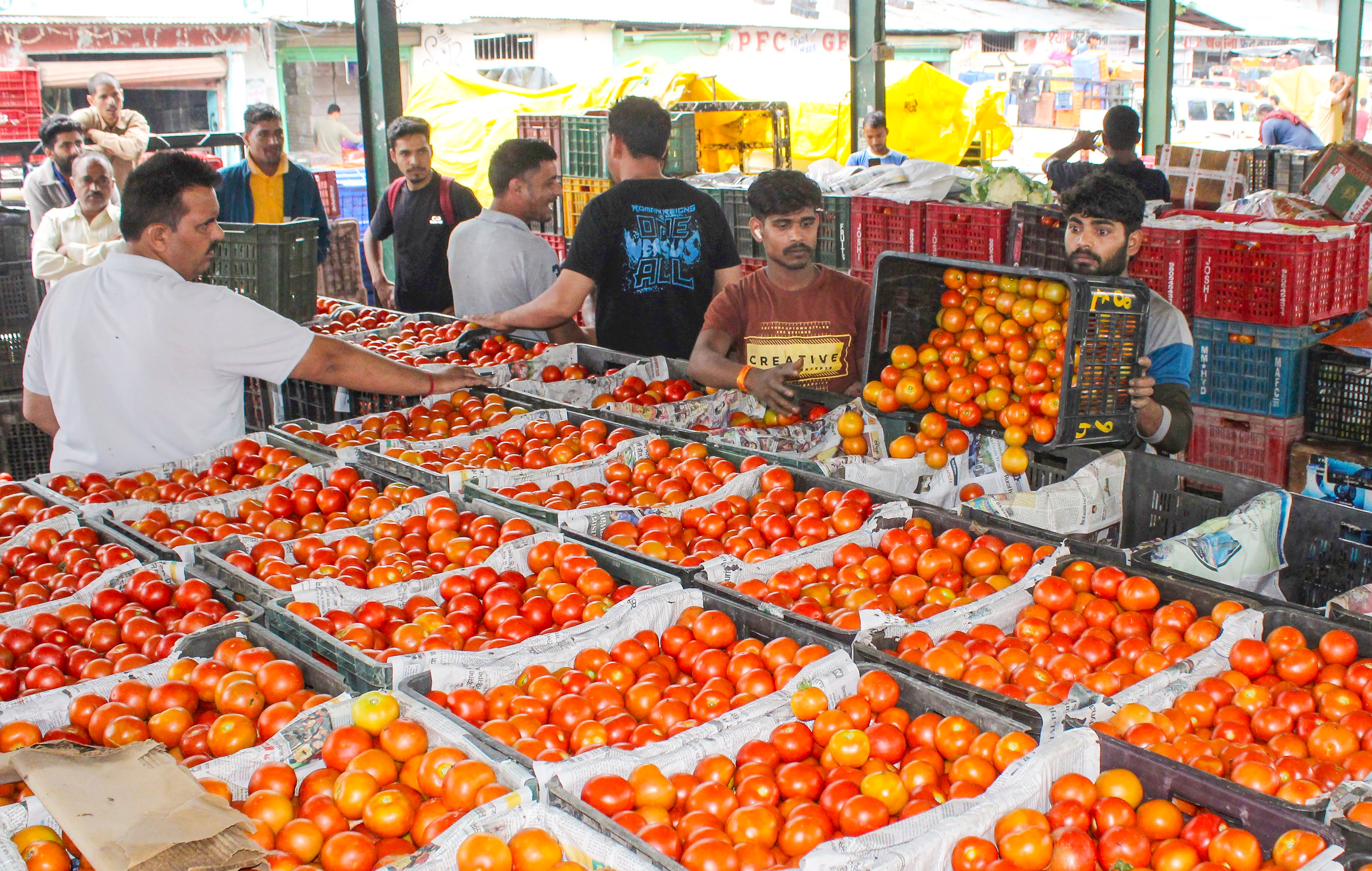
Under that mechanism, buffer stocks are created and released into the market during periods of sharp price rise to ease volatility.
A similar approach is now being explored for fuels, with the objective of shielding consumers from sudden spikes rather than allowing full and immediate pass-through of global price shocks.
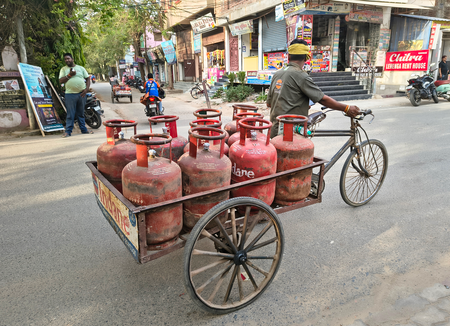
The plan involves setting up a separate fuel buffer fund covering petrol, diesel and LPG.
Geopolitical Tensions Driving Price Volatility
The report said that this mechanism would be distinct from India’s strategic crude oil reserves, which are primarily meant to ensure supply security during severe disruptions and not for managing price fluctuations.
Deliberations are ongoing between the Ministry of Petroleum and Natural Gas, the Ministry of Consumer Affairs and other departments regarding the structure of the fund and the criteria for intervention.
These could include predefined thresholds linked to global crude prices or volatility indicators in international energy markets.
The report indicated that the intent is not to introduce a permanent subsidy regime but to moderate extreme volatility and protect household consumption during periods of stress.
Any intervention under the mechanism is expected to be temporary and calibrated, with buffers replenished when price conditions stabilise.
–IANS
pk