📌 Key Points
- Arun Khetarpal’s Untold Saga: 21-Year-Old’s Raw 1971 War Sacrifice!
- No Jingoism! Ikkis Dares to Reveal War’s True Emotional Scars.
- Dharmendra In Lahore: “You Lost A Leg, I Lost My Son!” — War’s Pain.
- Ikkis’ Bold Message: War Wounds Never Heal, Only Rulers Profit!
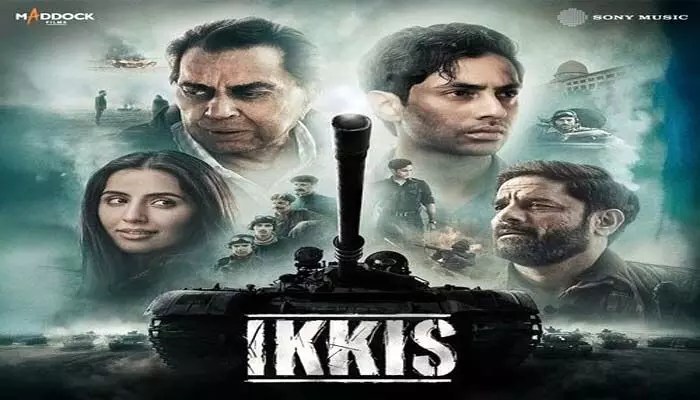
Get ready, cinema lovers! Director Sriram Raghavan, known for his gripping thrillers, now brings us ‘Ikkis’ – a poignant 1971 war drama. This anticipated Tollywood update promises a deeply emotional journey into the heroic sacrifice of a 21-year-old soldier, based on true events. Prepare for a powerful cinematic experience that celebrates unwavering courage and the ultimate self-sacrifice for the nation.
A Young Hero’s Sacrifice
Tollywood’s latest movie update, ‘Ikkis,’ promises a vivid portrayal of a soldier’s heroic sacrifice, based on true events from the 1971 war. This heroic saga centers on a 21-year-old young soldier set against the backdrop of the 1971 India-Pakistan war. Military life, in any era, is defined by courage and adventure. Films about young soldiers who plunge into battle, treating their lives as insignificant, are not only heroic but thrilling. ‘Ikkis’ freshly portrays such a profound experience on the silver screen, focusing on a 21-year-old whose training isn’t even complete, yet is forced to become an indispensable part of the conflict. What if moments of self-sacrifice, offered with a smile when the nation demands everything, merely conclude with that smile and a sense of pride in the soldier’s life? This is the core experience ‘Ikkis’ seeks to capture.
The narrative follows Brigadier M.L. Khetarpal (Dharmendra), a retired Indian Army officer, as he travels to Lahore to share memories with friends in Pakistan. During his visit, he makes his way to the spot where his son, 21-year-old Second Lieutenant Arun Khetarpal (Agastya Nanda), fell in battle. The film delves into the heroism displayed by Arun in the 1971 India-Pakistan war and the challenges he faced on the battlefield, forming the core story.
Beyond a conventional war narrative, ‘Ikkis’ distinguishes itself by not stirring up anger with excessive dialogues in the name of patriotism. Instead, Director Sriram Raghavan presents an emotional drama infused with suspense, prioritizing real events. Dharmendra’s performance, in particular, is a highlight. The film elevates its narrative with the daring acts of army officers to stop war tanks invading India, especially when Arun is ordered to war on his 21st birthday. It poignantly captures the Indian Army’s commitment: not succumbing to emotions when fellow soldiers die, and the stance that captured Pakistani soldiers should be taken as prisoners rather than killed, captivating viewers. Beyond patriotic heroism, this film sensitively explores the lasting personal and family wounds caused by war. In an era of chest-thumping patriotism and hyper-action drama, ‘Ikkis’ marvelously takes us from the uniform into the intimate lives of soldiers, showcasing their academy days, camaraderie, aspirations, and human touch. It also vividly describes how a soldier’s family’s heart is forged from steel, exemplified when Arun comes home to tell his mother he’s going to war, and all she says is, “Khana kha ke jaana” (Eat and then go).



War’s Deep Human Scars
Sriram Raghavan’s direction is another particular highlight, asserting without hesitation that war never brings any good. Perhaps after ‘Bajrangi Bhaijaan,’ we can once again see Pakistani characters with good intentions on screen. This is powerfully illustrated when a former Pakistani officer invites the Indian Brigadier to his country, only to be challenged by his son, who lost a leg in the war, questioning why he invited an Indian. Dharmendra’s character responds with profound grief: “You only lost a leg in the war. I lost my son.” While this doesn’t immediately change the Pakistani officer’s son’s perspective, the scene clearly demonstrates that war benefits only the rulers of both nations, leaving their people as victims. In the current political climate, this film makes one quietly admire the director’s perspective. That scene loudly resonates in Dharmendra’s voice: the wounds caused by war never heal because someone or the other keeps reopening them. Both livelihoods and generations are destroyed. We don’t know when it will stop, perhaps only when we decide to stop it. Dharmendra portrays a father who lost his youngest son in the war, but instead of channeling his grief into war hysteria, his character, a former military officer, condemns the political circumstances that sacrifice young lives. This is a deeply human emotion, and perhaps the strongest moral stance the film champions.
‘Ikkis’ begins with the song ‘Kar Chale Hum Fida,’ written by Urdu poet Kaifi Azmi, paying tribute to the army and, perhaps, to Dharmendra himself. This song became famous in ‘Haqeeqat’ (1964). These moments quietly emphasize the void left by the ‘He-Man’ in Indian cinema. Overall, ‘Ikkis’ is a commendable effort to convey patriotism and the hardships of war. Its gripping war sequences and emotional drama are captivating, keeping audiences enthralled. Crafted with a compelling blend of patriotism and family bonds, the film promises a truly reflective experience. Stay tuned for more updates!
Looking Ahead
“Ikkis” promises a profound cinematic journey into 1971’s heroic sacrifices. Sriram Raghavan’s vision, weaving poignant patriotism with deeply personal narratives, is commendable. This film is set to deeply stir our collective conscience, reminding us of immense courage. Expect it to leave an indelible mark, honoring our bravehearts and strengthening our national spirit.