📌 Key Points
- Diljit Dosanjh’s film “Satluj” (formerly “Panjab 95”) was removed from Zee5 after just two days.
- The actor had predicted the film’s removal, drawing parallels to Jaswant Singh Khalra’s fate.
- Zee5 issued a statement acknowledging the film’s unavailability in India but promised its return.
- The film portrays human rights activist Jaswant Singh Khalra, who was abducted and murdered in 1995.
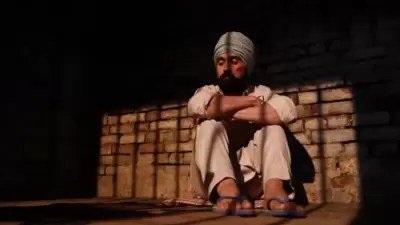
Diljit Dosanjh’s film “Satluj,” based on human rights activist Jaswant Singh Khalra, was abruptly removed from Zee5 just two days after its release. The actor had eerily predicted this outcome, drawing parallels to Khalra’s own tragic fate, sparking significant controversy and discussion.
“Satluj” Pulled from Zee5 After Just Two Days
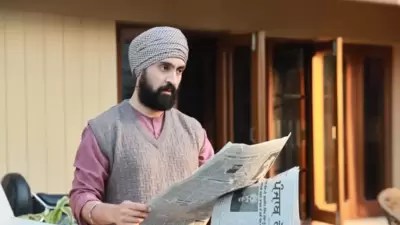
It arrived after an almost four-year-long battle with the censors, but Diljit Dosanjh ’s Satluj (earlier called Panjab 95) lasted merely two days on Zee5, the streaming platform, before it was taken down inexplicably. On Sunday, the streamer issued a statement saying the Honey Trehan film was no longer available in India, but promised to find ways to get it back. The film’s lead, Diljit, had predicted this might come to pass while interacting with fans the day before the shadow ban. The singer-actor also reacted to the film being made unavailable in India, remembering the late Jaswant Singh Khalra , whose life story the film tells.
The film is based on the life and death of human rights activist Jaswant Singh Khalra, who was abducted, tortured, and murdered by members of the Punjab Police in 1995 after he exposed 25000 extrajudicial killings in the state. Diljit plays Khalra in the acclaimed film. Hours after the film was removed, Diljit shared a scene showcasing Khalra’s will to fight. “I challenge the darkness,” he wrote, adding in Punjabi, “Panjab 95 aka Satluj is meeting the same fate as the late Khalra saab.”
Diljit Dosanjh’s Eerie Prediction Comes True
The Legacy of Jaswant Singh Khalra
The swift removal of “Satluj” from Zee5, coupled with Diljit Dosanjh’s poignant reaction, underscores the ongoing challenges faced by films addressing sensitive historical narratives. It highlights the delicate balance between artistic expression and platform censorship in India.