📌 Key Points
- Gunasekhar erupts: OTTs killing theatre experience!
- Demands 3-month OTT gap to save cinema halls.
- Blames OTTs as his film ‘Euphoria’ tanks in theatres.
- Irony! His ‘Euphoria’ streams April 2nd despite plea.
Filmmaker Gunasekhar has sparked a fervent debate, voicing profound anguish over dwindling theatre audiences and directly blaming OTT platforms. His sensational remarks, following recent box office setbacks, propose a critical three-month exclusive theatrical window. Is this frustration merely personal, or does it genuinely question the very future of our vibrant Telugu cinema?
Director’s OTT Outcry: Theatrical Window Plea
Director Gunasekhar has made sensational remarks concerning the OTT system, expressing profound anguish over the declining audience attendance in theaters. He specifically suggested that films should not be screened on OTT platforms for three months after their theatrical release, arguing that the current trend of releasing films—featuring both small and big heroes—on OTT within just one month is detrimental. These comments come as his recent film, ‘Euphoria,’ failed to achieve anticipated results in theaters, leading him to believe that audience turnout has significantly declined because of OTTs. Gunasekhar’s central concern is whether this trend questions the very future of cinema.
Gunasekhar is a director who has earned significant recognition in the Tollywood film industry, known for many excellent films in his earlier career. However, his recent films have struggled to impress audiences. After a break from the industry, Gunasekhar returned with ‘Euphoria,’ released on March 6th. Despite its release, the film, which addresses sexual assaults against women, failed to achieve commercial success and resulted in losses for its producers. Having largely failed to impress in theaters, ‘Euphoria’ is now preparing for digital streaming, set to be available on the ETV Win OTT platform from April 2nd.
Cinema’s Future: Is OTT the Villain?
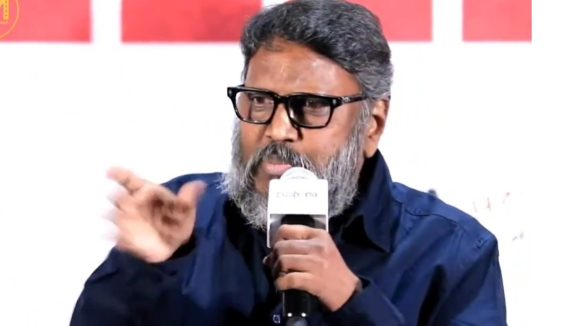
In this context, Director Gunasekhar organized a press meet where he expressed displeasure regarding the audience’s lack of support for his film and strongly lashed out at the OTT system. “We don’t need to blame the audience for not coming to theaters,” he stated. He elaborated that during the COVID-19 pandemic, when film shootings halted, OTT platforms capitalized on the situation. Now, with films hitting OTTs within a month of their theatrical release, audiences naturally question, ‘Why should we go to the theater when we can all watch the film for free after a month?’ Gunasekhar further observed that audiences are now primarily attending theaters only for big hero films, and even then, only if they receive positive word-of-mouth. He passionately articulated his anguish that many good films are unable to provide a theatrical experience because OTT companies are offering large sums to secure these one-month deals. For a film to survive, he contended, it absolutely should not appear on OTT for almost three months after its theatrical release. He highlighted that many films have suffered losses due to these quick OTT deals. Becoming emotional, Gunasekhar asserted that his film, ‘Euphoria,’ had excellent content, but audiences failed to embrace it in theaters.



These comments have sparked considerable discussion in the film industry, raising the critical question of whether OTTs will ultimately reduce the patronage of cinema theaters and, consequently, challenge the very future of traditional cinema.
Looking Ahead
Gunasekhar’s warning resonates. For South Indian audiences, cinema is more than entertainment; it’s a shared cultural ritual. Will OTTs redefine this experience, or can the industry innovate to protect the unique magic of the big screen? The future of our beloved theatrical tradition hangs in the balance.