📌 Key Points
- Pawan Kalyan’s ‘Bottu’ dialogue sets screens ABLAZE!
- Harish Shankar SHATTERS myths on PK’s ‘bottu’ line!
- Director exposes ‘Sindhooram tragedy’ behind viral dialogue!
- Orphan hero’s Bhagat Singh ideals spark powerful ‘bottu’ line!
“Ustaad Bhagat Singh” has undeniably become a talking point, thanks to Pawan Kalyan’s electrifying ‘bottu’ dialogue that instantly went viral post-release. As theaters roared with whistles and cheers for the impactful lines, the buzz grew immense. Now, director Harish Shankar steps forward, aiming to explain the profound intent behind this particular dialogue that has captured the imagination of countless fans across South India.
Pawan Kalyan’s Dialogue Electrifies Theaters!
Ustaad Bhagat Singh: Theaters Roared with Pawan Kalyan’s Dialogue! Harish Shankar’s Sensational Comments! The film “Ustaad Bhagat Singh,” a collaboration between Pawan Kalyan and Harish Shankar, was released yesterday. A particular dialogue from this movie has since gone viral on social media, sparking immense excitement, with whistles and cheers erupting in theaters for Pawan Kalyan’s impactful lines in the climax.
Director Harish Shankar has now clarified the profound intention behind this widely discussed dialogue. He crafted the hero’s character with Bhagat Singh’s ideals. In the climax scene, Pawan Kalyan delivers a powerful dialogue concerning the tradition of applying a ‘bottu’ (a mark on the forehead): “It is our Hindu tradition for women to apply ‘bottu’, but do you want to see what happens when a man applies bottu? Do you want to see what happens when a man of this country applies bottu?”
Harish Shankar Reveals Dialogue’s Cultural Intent
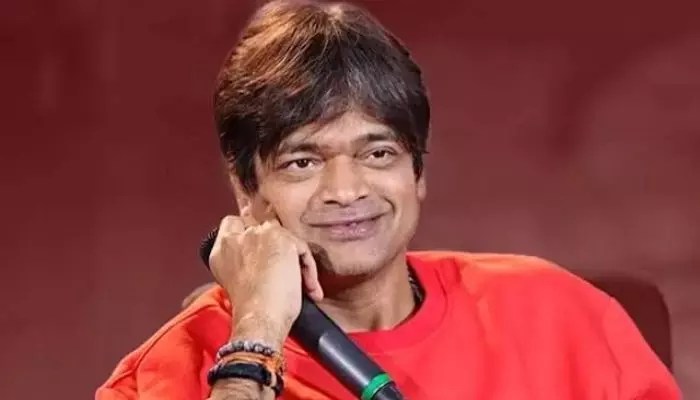
This dialogue resonated strongly with audiences, prompting Harish Shankar to explain its origins at a recent success meet. He elaborated, “In our country, women traditionally apply ‘bottu’. For instance, if you visit a hotel, the women there apply bottu for cricketers and other guests. Similarly, if someone leaves home for a new job, their mother, elder sister, or younger sister will apply bottu for them. This practice is deeply rooted in our Indian culture and tradition. The dialogue was not written spontaneously merely to entertain the audience; rather, it addresses a significant issue and a great tragedy that occurred concerning the ‘Sindhooram’ (vermilion mark) of our mothers, elder sisters, and sisters.”



Harish Shankar further clarified that the hero’s character in the film, being an orphan, grows up with Bhagat Singh’s ideals, taking him as an idol. “We wrote that dialogue as an example of how such a person would behave,” he stated. Stay tuned for more updates about “Ustaad Bhagat Singh.” For Pawan Kalyan fans, this film is proving to be a true celebration.
Looking Ahead
Harish Shankar’s explanation beautifully clarifies the ‘Bottu’ dialogue, cementing the character’s roots in Bhagat Singh’s ideals. This insight only amplifies “Ustaad Bhagat Singh’s” promise. For Pawan Kalyan fans, this film isn’t just a celebration; it’s poised to deliver a powerful, inspiring message that will undoubtedly resonate deeply across the Telugu states.